Fort Worth Apartments That Review a Felony Record Case by Case

Research and placement for renters with a misdemeanor or felony record.

TREC #679806Free to rentersCriteria confirmed & datedEnglish & Spanish
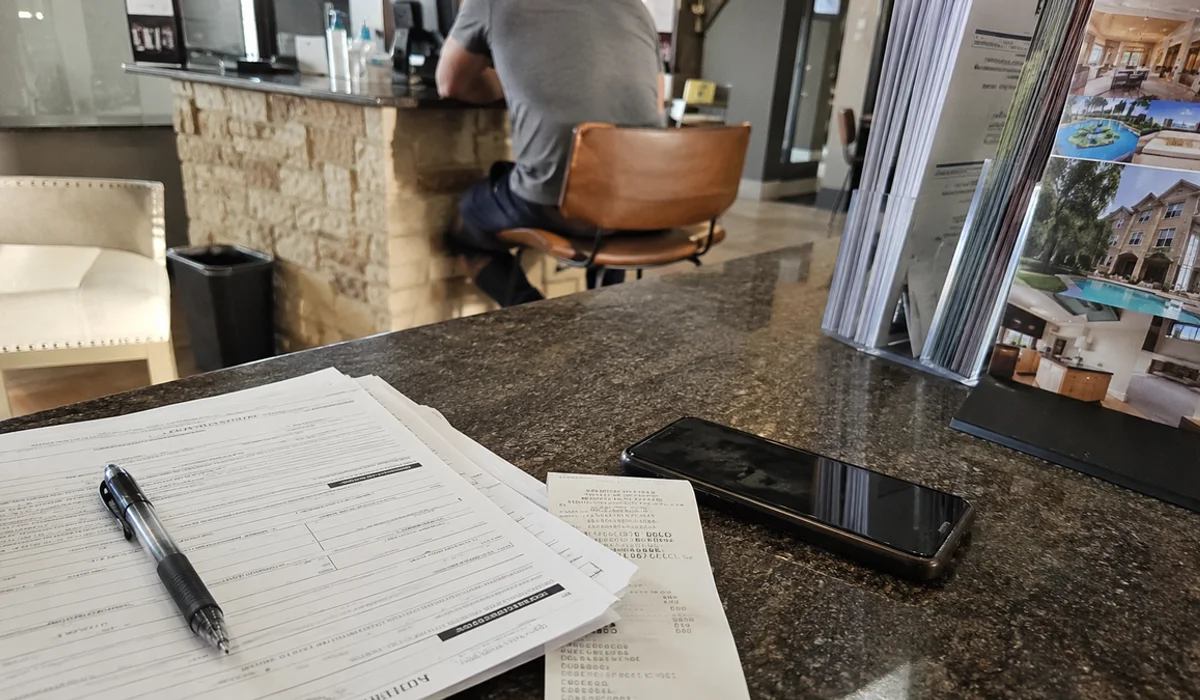
Rental application forms and a pen on a leasing office counter beside a brochure rack

Licensed

TREC #679806

Brokerage

Spirit Real Estate Group, TREC #562021-B

Cost to you

$0, communities pay the referral fee

Response

Under 60 minutes during posted hours

Why background searches stall

Background policy is a set of categories, and almost none of it is published

Renters with a record usually get denied on information nobody would give them in advance. That is the part we go and get.

The listing never states the policy

Background criteria are built from offense categories and lookback windows, set by the management company. A property that reviews one category case by case may exclude another outright.

Automated screening does not read disposition

Deferred adjudication, a dismissal, a plea, and a conviction land differently when a person is allowed to look at them. A category match alone does not distinguish between them.

Individualized assessment is invisible from the outside

HUD guidance moved some Fort Worth managers to case-by-case review of nature, severity, and time since the offense. Others still screen by category alone, and the listing looks the same either way.

So we research the policy before you disclose anything

We confirm which offense categories a community screens, how far back it looks, and whether it runs individualized assessment. We state policies factually and never suggest a record is automatically disqualifying or automatically fine. The community decides.

A sudden rejection on a background check is a hard thing to plan around. Background policies feel like a wall with no posted rules.

Have you ever felt like a single past mistake is permanently locking you out of a great lease?

We want to show you exactly how these decisions are really made. Grab a cup of coffee, and let’s go through the process together. Finding felony friendly apartments requires facts rather than guesswork.

Background policy is a set of categories, not a yes or no

Our team researches the exact offense categories and lookback windows each community uses. Many renters are told “no” before anyone even glances at their application. HUD’s 2016 Office of General Counsel guidance actually warns properties against applying blanket exclusions.

We state community policies factually, without characterizing any record as disqualifying or acceptable. A blanket ban carries serious disparate-impact exposure under the Fair Housing Act. Property managers must evaluate specific details rather than issuing automatic denials.

Our firm helps you find the places where your specific history aligns with the rules, weighing these key factors:

  • The specific nature and severity of the offense play a major role.
  • The exact amount of time elapsed since the disposition is calculated.
  • We gather your documented evidence of rehabilitation and good tenant history.

The property always makes the final decision based on their established criteria. Offense categories and years since disposition dictate the outcome.

Automated criteria versus individualized review

We always determine which review type a property uses before you spend a dime on application fees. Automated systems and human reviews treat this data very differently. Knowing which system you are dealing with changes what you should spend your effort on.

Our clients avoid wasting money by sending applications only to properties that will actually read the attached explanation. A quick phone call easily establishes the screening method if you know the right questions to ask. You need to understand the difference between a computer algorithm and a human review.

Screening MethodHow It WorksBest Strategy
Automated CriteriaRigid software like AppFolio or Yardi Breeze.Apply only where records clear the category rules.
Individualized AssessmentHuman review of employment and rental references.Provide a strong supporting file and factual explanations.

We focus your energy on the right approach for the right building. The wrong approach guarantees a fast rejection letter. Preparation pays off immensely during an individualized assessment.

Our team knows that finding communities with favorable automated rules is the key to bypassing software rejections. Professional guidance makes this entire process much smoother. The right data saves you time.

Get your record exactly right first

We pull the exact category, disposition, and date to build an accurate shortlist of properties. Vagueness destroys applications and wastes your housing budget. An offense recalled from memory as “about six years ago” might actually be four and a half years old.

Our approach relies on verifying facts against official databases like the Tarrant County Official Records Search. That timeline discrepancy completely changes which lookback windows apply to you. Dispositions matter just as much as dates.

We categorize your history based on how different legal outcomes affect your screening profile:

  • An arrest without a conviction reads differently than a guilty plea.
  • A complete dismissal of charges provides a major advantage.
  • Our team documents any deferred adjudication status clearly.
  • A final criminal conviction triggers specific lookback windows.
  • Screening models read these distinctions differently across various apartment complexes.

We update your file immediately if your legal standing changes. Determining if an order of nondisclosure or an expunction applies is a strict legal question. A licensed attorney can tell you if your specific case qualifies for record sealing.

Our firm does not employ attorneys, so legal advice falls outside this service. The Statewide Expunction Project run by Legal Aid of NorthWest Texas can evaluate your eligibility. Working with legal professionals is highly recommended for record clearing.

What we will not do

We will not tell you a record is fine, and guarantees are impossible to make. Both are guesses dressed as expertise, and both cost you money. The average tenant screening fee runs $50 to $75 per application, making blind guessing very expensive.

Our staff states each community’s policy exactly as it was given to us, along with the date it was confirmed. This ensures your applications only go where the policy already covers your category and timeframe. Steering clients toward or away from specific neighborhoods is something professionals strictly avoid.

We focus on criteria, but you have total control over the housing search elements below:

  • Your maximum acceptable commute time dictates the geographic radius.
  • Your monthly price and budget limits filter the available units.
  • Our team matches properties to your required unit features and amenities.
  • Your preferred school district boundaries remain a top priority.
  • The final choice of where to live always belongs to you.

We place your applications based strictly on data and screening criteria. Professional assistance simply removes the frustrating guesswork from the equation. The right data is what turns a blanket denial into a targeted list, and it is the foundation of our second chance apartment locating in Fort Worth.

Our experts know that securing the right housing feels like an uphill battle. Stop wasting money on application fees that lead straight to automated rejections. Finding great felony friendly apartments is entirely possible when you have the facts on your side.

We invite you to contact us today to review your record and build a targeted application strategy. Take the first step today. Your new home is waiting.

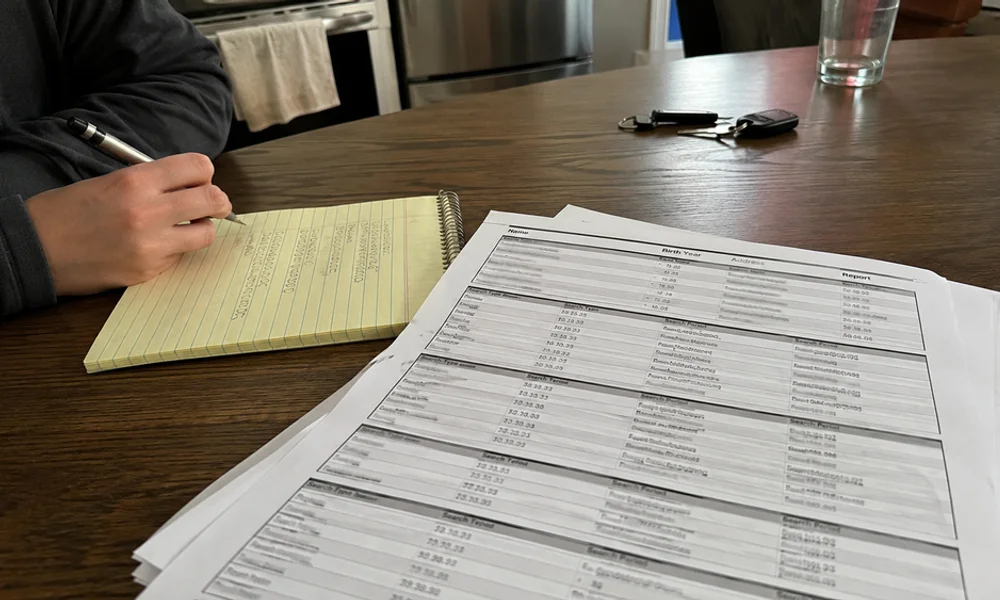
Printed county records search results and a notepad with handwritten dates on a kitchen table

How background policy varies between Tarrant County communities

Last verified: July 2026

This describes screening approaches we encounter, not named properties, and it states policy factually rather than characterising any record as disqualifying or acceptable. We confirm each community's actual policy and record the date. Research, not a guarantee of approval.

Automated criteria

How the record is read
Category and date, applied by rule
What you can supply
Little, the rule runs the decision
Typical lookback
Set by category, often 5 to 10 years

Individualized assessment

How the record is read
Nature, time elapsed, and evidence of rehabilitation
What you can supply
Explanation, records, references, employment history
Typical lookback
Weighed rather than fixed

Management-company policy

How the record is read
Category rules with limited exception authority
What you can supply
Documentation via the on-site team
Typical lookback
Varies by company

Deferred adjudication or dismissal

How the record is read
Depends on whether the model reads disposition
What you can supply
Court disposition records
Typical lookback
Often treated differently from conviction

Why renters with a background record work with us

Policy stated factually

We describe what a property's policy says, for example, reviews felonies case by case with a seven-year lookback, without framing any record as automatically disqualifying or acceptable.

Categories and dates matter

Background policy is set by offense category and years since disposition, not as a single yes or no. Knowing your exact category and date narrows the search enormously.

Individualized assessment identified

HUD's 2016 guidance asks properties to weigh nature, time elapsed, and rehabilitation rather than applying blanket exclusions. Some communities run that review. We find them.

Disposition distinctions

An arrest without conviction, a dismissal, deferred adjudication, and a conviction are four different things. Whether a given screening model reads that difference is worth knowing before you apply.

No tier assumptions

A record does not mean older or cheaper inventory. Guarantee-accepting Class A properties still apply their background policy, and plenty of newer communities run individualized review.

Free to you

No fee for the research or the placement. The community pays a referral fee at lease signing.

How we research background policy before you apply

Step 1

Establish the record

Offense category, disposition, and years elapsed, checked against the Tarrant County records search so the dates are exact.

Step 2

Research policies

We ask each community what categories and lookback windows its policy uses, and whether assessment is individualized or automated.

Step 3

Assemble the file

Where individualized assessment applies, we help you put together what supports it: employment, references, time elapsed, and any court records.

Step 4

Apply where it fits

Applications go only to communities whose stated policy already covers your category and timeframe.

Start your search

Free to you, no obligation, and no charge for the criteria research. Response in under 60 minutes during posted hours.

Fort Worth inventory at every tier

A record does not limit you to older or cheaper buildings. Approval depends on criteria and accepted programs, so we work garden-style, mid-tier, and Class A alike.

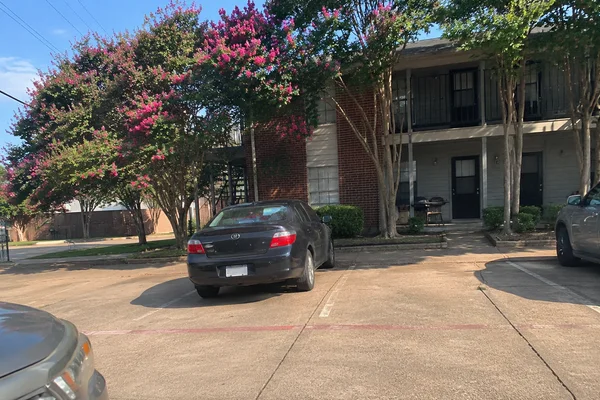
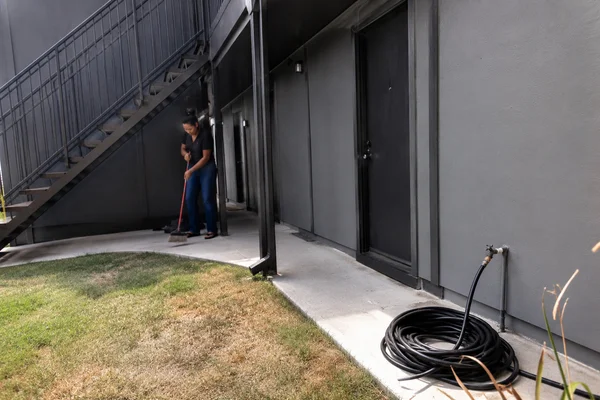
Fort Worth rental inventory example 1Fort Worth rental inventory example 2Fort Worth rental inventory example 3Fort Worth rental inventory example 4

Background check and apartment approval questions

Will a felony automatically disqualify me?
Not as a rule. Background policy is set by offense category and lookback window, and HUD's 2016 guidance asks properties to weigh the nature of the offense, the time elapsed, and evidence of rehabilitation rather than applying a blanket exclusion. Some communities run that individualized assessment; others apply automated criteria. We research which is which.
What is an individualized assessment?
It is a review that considers the specific circumstances of a record rather than applying a flat rule. HUD's guidance asks housing providers to weigh what the offense was, how long ago it happened, and what has changed since. Blanket exclusions carry disparate-impact exposure under that guidance, which is part of why some operators moved to individualized review.
Does an arrest without a conviction count?
It should not carry the same weight as a conviction, and many policies distinguish the two. Whether a specific screening model reads that distinction is a question worth asking before you apply, and it is one of the things we confirm.
How far back do properties look?
It varies by category. Lookback windows commonly run somewhere between five and ten years for felony categories, shorter for many misdemeanors, and some communities weigh time elapsed rather than applying a fixed cutoff. There is no county-wide standard.
Does deferred adjudication or a nondisclosure order help?
It can change what appears and how it reads, depending on the record and the screening source. Whether a specific outcome applies to your situation is a legal question, and we are not attorneys. Legal Aid of NorthWest Texas or an attorney can advise on eligibility; we work with whatever the record currently shows.
What can I bring that actually helps?
Where individualized assessment applies: the court disposition records, a factual written explanation, steady employment history, rental references, and anything documenting the time since. It will not change an automated rule, which is why identifying the review type first is the important step.
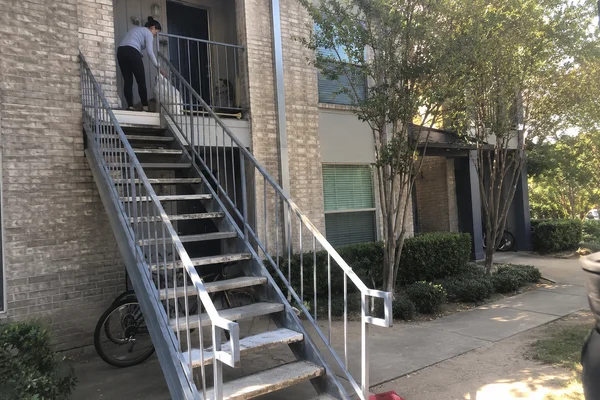
Fort Worth apartment breezeway stairs with painted metal handrails against a red brick wall

Find out where your file already fits

Send us your situation and we will come back with Fort Worth communities whose criteria permit it, the total cash to move in, and what to expect at each. Free to you.

Free to renters. Communities pay the referral fee at lease signing. We do not guarantee approval; every screening decision belongs to the community.