Fort Worth Second Chance Team helps renters find luxury apartments with bad credit across Fort Worth and Tarrant County. As licensed Texas apartment locators (TREC #679806) brokered by Spirit Real Estate Group, we research which Class A communities accept guarantor programs and match renters to properties where approval is realistic - free to the renter.
Have you found the perfect floor plan, only to panic about the background check? Many renters assume a low credit score or an eviction filing disqualifies them from high-end communities. We hear this worry every week, and it costs renters access to the best inventory in the market.
The Reality: A low score changes your application strategy, not your destination. The right guarantor program opens Class A doors.
Approval depends on how property managers evaluate applications and which third-party programs they accept. Our team walks you through the exact steps to get approved.
Why New Lease-Ups Approve Applicants Older Properties Decline
This page exists because of a costly assumption. Renters often assume that a negative mark on their record limits them to older or rundown inventory.
Approval depends on a community’s specific criteria and which third-party programs they accept. It has nothing to do with the age, finish level, or price of the building.
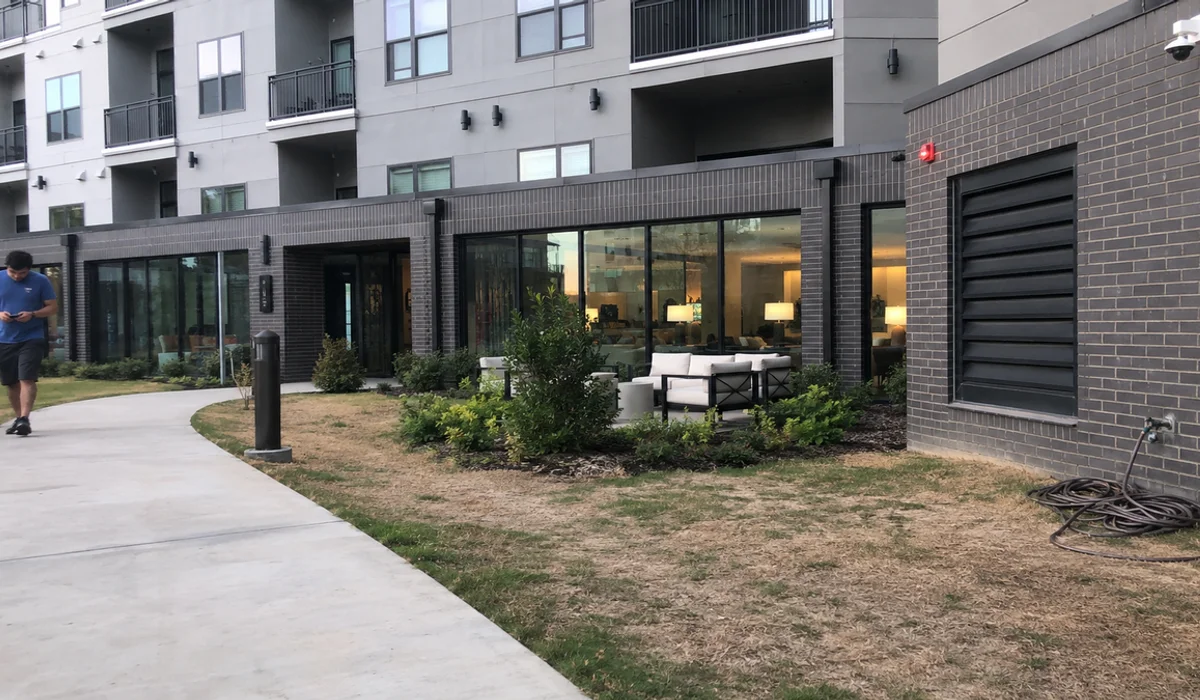
Searching for luxury apartments with bad credit is highly effective when you target new lease-ups. Here are three reasons why new luxury buildings are your best bet:
- Aggressive Occupancy Goals: Lenders require new buildings to fill up quickly.
- Flexible Guarantor Policies: Many properties accept third-party guarantee services like TheGuarantors, OneApp Guarantee, or Leap.
- Generous Concessions: Lease-ups regularly offer up to two months of free rent during the initial phase.
The Dallas-Fort Worth metroplex is absorbing a massive delivery cycle right now. Recent 2026 reports from ALN Apartment Data highlight nearly 30,000 new units hitting the DFW market this year.
This surge includes massive projects like the $1.7 billion Westside Village, which is adding 1,785 units in phases.
North Fort Worth, Alliance, Clearfork, and West 7th Class A properties run corporate-set criteria with little on-site discretion. Those same properties frequently accept the guarantor programs listed above.
This is exactly how they approve applications that an older, stricter property might decline.
The lease-up window, and why it closes
A brand-new property starts with hundreds of empty units and a very anxious lender expecting rapid absorption. Everything about the staff’s leasing posture reflects that pressure.
Management companies set their criteria at the absolute softest end of their acceptable range. Properties offer incredibly heavy concessions during this specific time.
Common offers include six weeks free, waived admin fees, and reduced deposits as low as $99. Managers exercise their most generous exception authority during this window.
Insider Tip: The best time to apply for a lease-up is within the first 90 days of the building opening its doors. Property managers face extreme pressure to hit their very first occupancy milestone.
Then the building eventually fills. Operators tighten criteria right back up to their standard requirements, and concessions shrink to absolutely nothing.
The system quickly declines the exact same applicant file in November that it would have instantly approved in March. Nothing about the applicant actually changed.
We see this happen to renters all the time. This is why timing matters at least as much as your credit score in this part of the market. The answer to whether you should wait until your score improves is often a resounding no.
Net effective rent, not the headline
Properties usually advertise concessions as a flashy headline number. Those big numbers actually hold less value than they sound.
Six weeks free on a $1,900 unit provides roughly $2,600 of total value. Spread that discount across a standard twelve-month lease term, and your net effective rent becomes $1,680 per month.
This simple math reveals two important realities about apartment hunting:
- Net Effective Rates Matter: A $1,750 unit with zero concessions might beat a $1,900 unit offering six weeks free.
- Renewals Bring Sticker Shock: That sweet concession disappears completely at renewal time.
Your rent immediately jumps back to the face rate. At $1,900, that is a $220 monthly increase you must budget for from the day you sign the lease.
| Rent Scenario | Monthly Payment (Year 1) | Monthly Payment (Year 2) | Shock Increase |
|---|---|---|---|
| $1,900 (6 Weeks Free) | $1,680 (Net Effective) | $1,900 (Base Rate) | $220 |
| $1,750 (No Concessions) | $1,750 (Flat Rate) | $1,750 (Base Rate) | $0 |
The Fort Worth Second Chance Team puts both numbers on every property recommendation. The total cash required at signing, including any guarantee premium, is also included.
A lease guarantee through TheGuarantors or OneApp Guarantee typically costs a percentage of the annual rent - roughly one month’s rent on most Fort Worth Class A leases (2026 rates). This cost scales with higher Class A rent prices, making it a critical number to see before committing to a floor plan.
Two Approval Paths Across Fort Worth
Institutional Class A properties managed by firms like Greystar, RPM Living, and Willow Bridge dominate North Fort Worth, the Alliance corridor, and the Cultural District. These buildings run strict corporate criteria applied by an automated screening system.
Nobody working on-site will bend a threshold for you. Program acceptance, however, is a standard policy that gets applied consistently.
A third-party guarantee approves a file that the system would otherwise decline. This route is predictable, easily priceable, and available at almost every rent level in this top-tier category.
Fast Fact: Institutional property management software provides application decisions in a matter of hours, heavily relying on accepted third-party guarantors for borderline files.
Locally managed inventory offers a completely different experience. This type of stock is more common in older neighborhoods across east Fort Worth, Meadowbrook, Woodhaven, Poly, Como, and the south side.
These properties give local managers direct latitude to make actual decisions. A clearly documented letter of explanation gets read by a real person who is allowed to weigh the circumstances.
Both paths consistently produce successful placements. The route that works best depends entirely on what is actually on your file:
- Number Problems: Low scores or high debt-to-income ratios point toward the institutional path with a guarantor program.
- Context Problems: Medical debt, a past dispute, or unique income sources point toward the local manager’s discretion.
- Urgency: Institutional systems provide answers in hours, while local managers might take a few days to review.
We present both options to give you the highest chance of success. The right choice depends entirely on your unique background.
How our Class A search compares
| Feature | Typical Provider | Fort Worth Second Chance Team |
|---|---|---|
| Criteria data | Self-reported or unverified | Confirmed with each property, re-verified quarterly |
| Guarantor programs | General awareness only | Specific programs verified per property with confirmation date |
| Cost breakdown | Headline rent shown | Net effective rent, guarantee premium, total cash to move in |
| Application strategy | Apply and hope | Pre-screened against verified criteria before applying |
Our process matches your specific situation with the property type most likely to say yes. Securing luxury apartments with bad credit takes the right strategy and verified criteria data, which is what our second chance apartment locating in Fort Worth delivers for you.
Reach out to the Fort Worth Second Chance Team today and let us build a customized approval plan for your next home.