Fort Worth Second Chance Team is a licensed apartment locating service (TREC #679806) that places renters with eviction filings into Fort Worth and Tarrant County housing at no cost to the renter. We research each community’s screening criteria, confirm them directly with the property, and apply only where your record already fits.
An eviction on your record turns a routine apartment search into a run of denials and non-refundable application fees. The path forward is not guessing - it is knowing what each property’s criteria actually say before you spend a dollar.
Below is how the process works, what decides approval, and where a guarantor program opens inventory that would otherwise decline your application.
What ‘Accepts Evictions’ Really Means in Fort Worth
The phrase “accepts evictions” is practically useless in a standard online listing. It means something entirely different at every property across the city. One community counts a court filing for three years, while another counts it for seven.
Some Fort Worth properties look past a filing entirely if the old balance is fully settled. A strict property manager screening through RealPage or Yardi, on the other hand, reads only whether a case exists and stops the application there.
Fort Worth landlords filed 47,055 eviction notices in the year ending July 1, 2024 - a 25 percent increase from pre-pandemic levels. Those filings span every submarket, from Class A communities along North Fort Worth and Alliance to locally managed garden-style properties in Meadowbrook, Poly, and the Near Southside.
Texas court filings become public records from the exact day of filing, and they never expire.
Modern screening software makes hiding these records impossible. Popular management tools like RealPage AI Screening instantly scan over 30 million rental history records.
The real question is never whether a property will find your record, but what their specific criteria say about it. We focus on gathering this exact criteria before you pay a non-refundable application fee.
A single phone call to the leasing office can save hundreds in wasted fees. Every detail matters when automated screening systems like TransUnion SmartMove and CoreLogic SafeRent process your application.
We confirm these details with each management company before you apply:
- The exact length of their background lookback window
- Their specific rules regarding court case dispositions
- Their policies on open balances from previous landlords
This careful preparation means you only apply once or twice instead of six times. The community always makes the final decision, but you get to apply with confidence.
What Three Questions Decide an Eviction Application?
We always start by asking how far back a specific property looks. Lookback windows in Tarrant County run anywhere from one year to seven years. A filing from 2021 easily clears some windows, but it will trigger a denial at others.
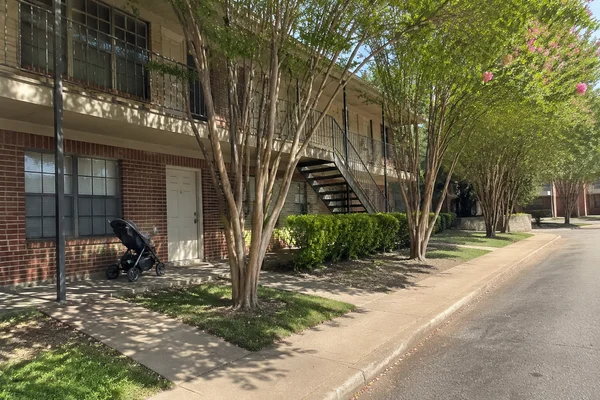
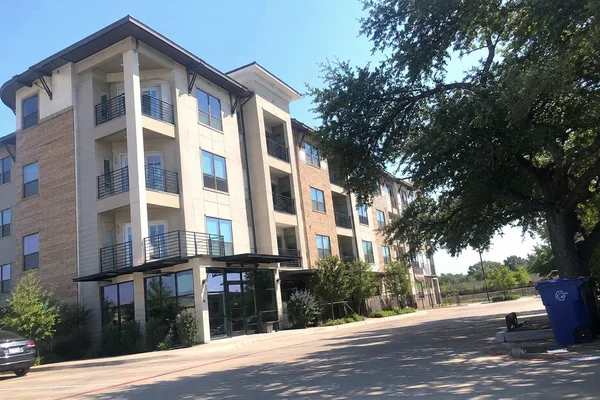
The physical age of the apartment tells you nothing about its policy. A new-construction lease-up near Alliance can carry a seven-year lookback while a 1980s garden-style walk-up in east Fort Worth weighs the disposition directly. Standard credit reports through bureaus like Experian RentBureau remove eviction judgments after seven years to comply with the Fair Credit Reporting Act.
Texas Justice Court records operate differently, remaining visible to a dedicated leasing manager indefinitely.
We also need to know if the property actually reads the final case disposition. An automated system typically just flags that a court case exists and stops reading. A leasing manager with discretion can see that a case was dismissed, settled by agreement, or paid before judgment.
The exact same public record results in two very different readings. The final major question revolves around what the property requires regarding an old balance. This financial hurdle is where most application denials actually happen.
We categorize communities into three distinct postures based on their balance policies. Understanding these categories helps you target the right apartments. A quick comparison makes the differences very clear.
| Balance Policy | What It Means for Renters | Approval Odds |
|---|---|---|
| Zero Balance Required | You must prove the entire debt to the prior landlord is paid in full. | Lowest if debt remains |
| Payment Plan Accepted | You must show a verifiable, active payment agreement with the previous property. | Moderate if current |
| Open Balance Considered | The property may approve you even if you still owe money to a past landlord. | Highest for open debt |
Owing money to a prior landlord often matters more than the actual court filing. The specific dollar amount can trigger an automatic screening denial. Some properties automatically reject anyone with a balance over a thousand dollars.
How Pre-Screened Locating Compares to Searching Alone
| Factor | Typical Apartment Search | Fort Worth Second Chance Team |
|---|---|---|
| Criteria verification | Listed as “second chance” with no confirmed policy | Lookback window, disposition reading, and balance policy confirmed and dated |
| Application cost | $50-$100 per attempt, typically 4-6 attempts | One or two targeted applications |
| Locating fee | Varies; some services charge the renter | Free to renters - community pays referral fee at lease signing |
| Data freshness | Unknown; often outdated or unverified | Re-verified quarterly with each property |
| Guarantor matching | Renter researches programs independently | Programs mapped per community before you apply |
How a Lease Guarantee Opens More Inventory
A third-party lease guarantee is the standard route when a filing is too recent for any lookback window. The guarantor service agrees to cover the rent if you default, and that institutional backing lets a property approve an applicant it would otherwise decline during automated screening.
This is the most realistic route into Class A buildings and new-construction inventory across Fort Worth. Major providers like TheGuarantors, OneApp Guarantee, and Liberty Rent partner directly with property operators including Greystar, Knightvest, and Madera Residential.
These policies function like insurance, backed by large companies like The Hannover Insurance Group.
This specialized service costs money. Renters generally pay a one-time premium ranging from 50 to 110 percent of one month’s rent (2026 rates). The guarantor program screens your application separately, focusing heavily on your current verified income.
The guarantor approval process works like this:
- You apply directly through the guarantor’s secure website.
- They verify your current income using secure bank connections.
- You pay the one-time premium only after your lease is approved.
A low credit score or insufficient monthly income can still result in a denial from the guarantor company. Using a guarantor widens your potential housing field considerably.
We identify exactly which communities accept these specific programs before you count on them. Every property has different partnerships, and applying blindly wastes precious time. A smart strategy involves getting pre-qualified with the guarantor before touring apartments.
Documents We Build Before You Apply
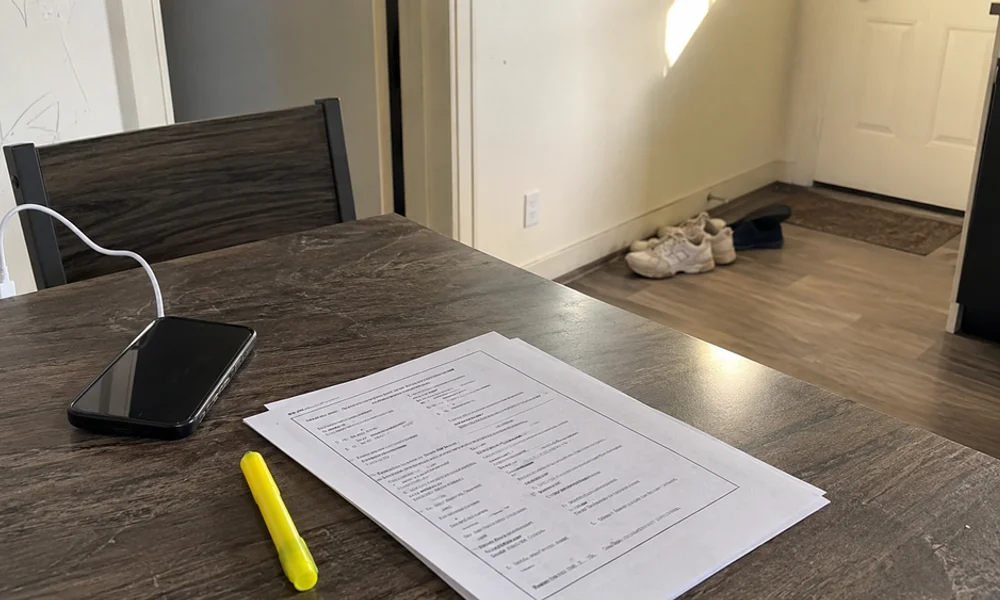
We prepare a letter of explanation before submitting your first application. This short, factual document states what happened, the final disposition, and what changed since then. The manager reads your account rather than assembling a story from a cold court docket line.
The application packet also includes disposition documentation and paid-in-full letters. Modern leasing offices use income verification software like Snappt or Plaid to prevent fraud, so clean, verifiable bank statements and current pay stubs are essential.
We gather the rental references that will actually answer the phone when the new property calls. Building this complete packet once allows an expedited search to move in days rather than weeks - critical if you are facing an active court deadline under Texas SB 38 timelines.
What Happens With an Active Court Deadline?
Tell us immediately if a court date is looming. Texas Senate Bill 38, fully effective in January 2026, overhauled the state’s eviction procedures under Rule 510, TRCP. The law created a four-day response window for summary disposition and strictly limits the appeals process.
We closely monitor these timelines because a successful appeal now requires paying rent directly into the court registry within five days.
The shape of your apartment search changes dramatically when a writ of possession becomes possible. Property managers react very poorly to active, unresolved cases.
We are not attorneys and absolutely do not provide legal advice regarding your court case. Anyone needing legal assistance should immediately contact Legal Aid of NorthWest Texas or a private attorney. Securing safe housing requires a focused, organized approach to the application process.
Your Next Step Toward a Fort Worth Lease
Securing housing with a past record requires the right information and a clear strategy. Fort Worth Second Chance Team matches renters to communities whose criteria already permit their filing - from Alliance lease-ups to locally managed properties along the south side and east Fort Worth.
We provide:
- Personalized screening criteria matching across all of Tarrant County
- Application packet preparation with letter of explanation
- Direct communication with leasing managers at each community
That strategy is the whole of our second chance apartment locating in Fort Worth: criteria confirmed and dated before you spend a fee, at no cost to you.