
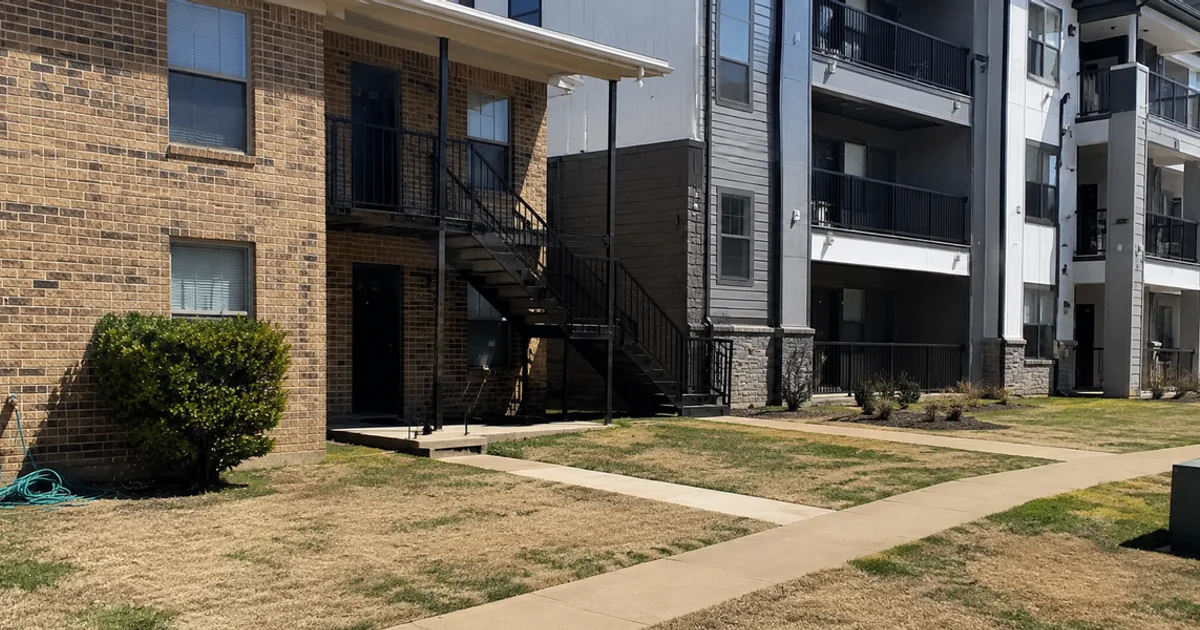
The fork every renter with a filing arrives at
We work this exact fork with renters every week. A past eviction filing creates a sudden roadblock in the standard application process.
The search splits into two distinct directions once you confirm your filing date, disposition, and balance status.
Choosing between a guarantor vs second chance apartment with eviction often comes down to timeline and budget. Both strategies get you approved, but they differ heavily in out-of-pocket cost and the type of housing inventory you can access.
This strategic decision forms the foundation for finding apartments that accept evictions. Getting this right saves you application fees and crucial days on the market.
Let’s look at the data behind each option and outline a practical plan of attack.

Compared directly
To simplify the second chance property vs guarantor debate, review the exact differences below.
| Feature | Softer-criteria property | Guarantee route |
|---|---|---|
| Extra cost | $0 | 70% to 110% of one month’s rent, one time |
| Inventory reached | Narrower (properties with short windows) | Broad, including Class A and new construction |
| Speed | Fastest when a fit exists | Adds a program application, often same-day to a few days |
| Works when filing is recent | Rarely | Frequently |
| Works with an open balance | Depends on balance posture | Sometimes; the balance is a separate gate |
| Who decides | The property | Still the property |
A guarantee is not an approval
It removes a financial objection. It does not override a policy exclusion, and some properties decline certain filings regardless of who is standing behind the rent.
When path one is right
We find this path works best when your filing is several years old and you owe zero debt to a previous landlord. A guarantor is simply money wasted on solving a problem you no longer have in this scenario.
Lookback windows across regions like Tarrant County typically run anywhere from three to seven years. The 2026 national standard for large corporate landlords, such as Greystar, remains a strict seven-year lookback on consumer reports. A three-year-old filing clears an entire tier of short-window properties, and a five-year-old record opens up even more doors.
The real work involves verifying these exact lookback periods with the leasing office before you apply. You must confirm their criteria is dated and documented, rather than simply trusting a listing that advertises itself as friendly to past issues.
Maximizing Short-Window Inventory
The trade-off here is always inventory. Short-window properties make up a smaller subset of the overall market. These specific complexes are rarely distributed evenly across prime school districts, commercial hubs, or luxury price tiers.
To execute this path successfully, focus on these specific actions:
- Verify the written policy: Ask the leasing agent directly for their documented screening criteria before paying an application fee.
- Check the debt requirement: Open balances usually result in an automatic denial at most properties.
- Target independent operators: Smaller management groups often have more flexible lookback policies than national corporate chains.
When path two is right
Our team recommends the guarantee route when your filing is fresh, usually inside twelve to eighteen months. No realistic time window clears a recent record organically. When evaluating apartment options with recent eviction filings, you might also need this path if your commute dictates a strict property that simply will not bend its corporate criteria.
This scenario is exactly where a third-party guarantee earns its premium. Institutional co-signers take on the financial risk, which automatically opens up Class A and new-construction inventory. These operators rarely make individual exceptions, but they do accept established guarantee programs as a standard matter of policy.
To understand the exact financial commitment, What a guarantor program costs breaks down the premium structure, lease renewal treatment, and refundability.
The Financial Reality of Guarantors
Industry Pricing Benchmark: As of 2026, leading institutional guarantors like TheGuarantors and Leap typically charge a one-time, non-refundable fee ranging from 70% to 110% of one month’s rent.
We want to highlight two major cautions regarding this route. The program screens you independently, so qualifying for their backing is a required first step before you build a plan around it.
A past balance serves as a completely separate gate. The guarantee covers future rent at your new property, not the money owed to your previous landlord.
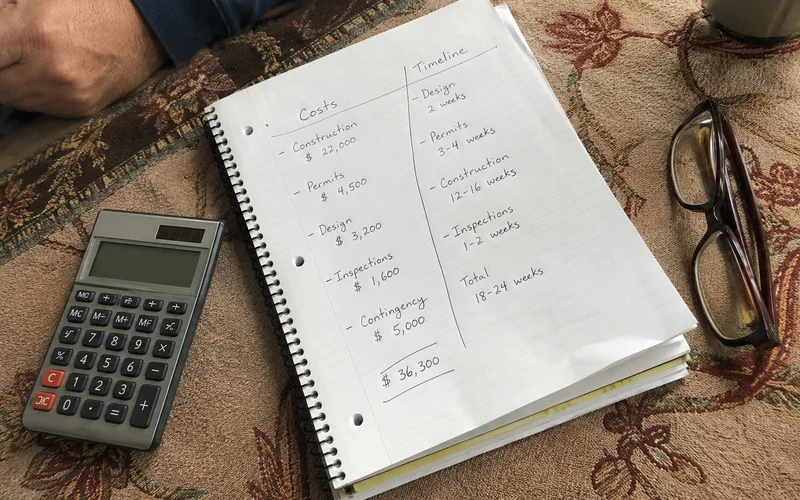
Running both at once
We almost always suggest running both options simultaneously when you are on a tight deadline. This strategy acts as a definitive answer rather than a desperate compromise.
Texas Senate Bill 38, which took full effect in January 2026, establishes strict, accelerated eviction timelines across the state. The law sets a trial 10 to 21 days after filing, grants four days to respond, and allows five days to appeal. You simply have no room inside that narrow window to try the first path, wait for a rejection, and then pivot to the second path.
The Parallel Application Strategy
Run the initial paperwork to secure a guarantor program eviction approval at the exact same time your short-window property applications are in flight. You then take whichever option secures a lease first.
The financial cost of running both concurrently is minimal, as the program application is generally free until you execute the actual guarantee policy. The hidden cost of running them sequentially is losing the unit altogether to a faster applicant.
What neither path changes
The property management always retains the final decision. That absolute rule remains true whether you apply with a guarantee, without one, at a brand-new development, or at a fifty-year-old complex. Anyone promising you that a specific program produces a guaranteed approval is selling a service that does not exist in the real estate market.
What your choice does change is your mathematical odds and the total price of securing the lease. The right path becomes obvious within a few minutes once you gather your filing date, legal disposition, and current balance.
Final Steps to Take
For a complete breakdown of the exact mechanics, guarantor programs covers everything you need to know if your file points in that direction. Keep these final action items in mind:
- Pull your court records: Identify your exact filing and disposition dates.
- Check your balances: Confirm if any past property debt remains open.
- Confirm property acceptance: Always ask if the specific building accepts third-party guarantors before applying.
Start evaluating your timeline today by securing your consumer court records.
Identifying your precise filing date is the necessary first step to mapping out your winning application strategy.