
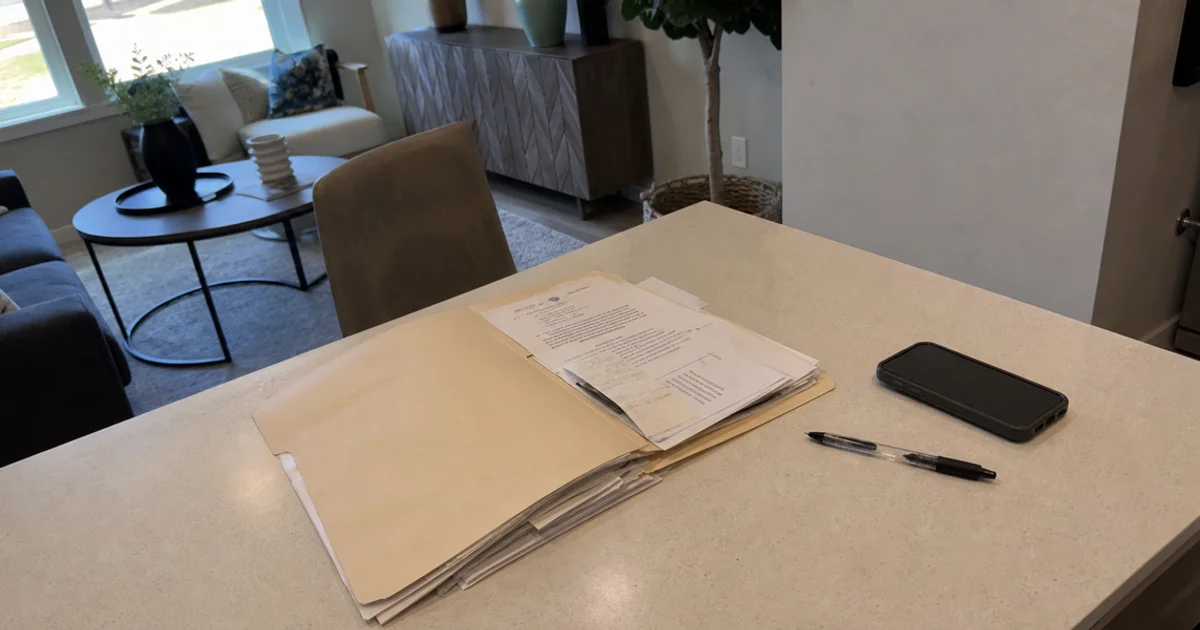
Our property specialists see the same frustration every day when reviewing application files for clients.
Automated screening software pulls a court record and slaps a generic label on it. This lack of context turns a resolved dispute into an automatic denial for unsuspecting applicants.
We find that correcting this record is the only way to make apartments that accept evictions a realistic goal. The following breakdown explains exactly how these outcomes appear and what documentation actually helps.

The three dispositions defined
The exact phrasing on your report determines your next move. We often consult with applicants who do not realize their record will show one of three specific outcomes: dismissed, settled, or a judgment for possession.
Princeton University’s Eviction Lab tracked over 1.23 million eviction cases filed across the US in a recent 12-month period leading into 2026. A large percentage of these cases never result in a final ruling against the tenant.
Our team knows that identifying your exact legal status completely changes the dismissed eviction vs judgment apartment application process. The court record will display your case status in one of the following formats.
- Dismissed: The case ended without a judgment against you. The landlord might have withdrawn the filing, or a procedural defect forced the court to throw it out. The public court docket still shows the filing occurred.
- Settled or agreed judgment: Both parties reached an agreement and the court entered those terms. This frequently involves a payment plan or a mutual move-out date. The situation resolves without a contested trial, but it usually appears in the record as a judgment.
- Judgment for possession: The court ruled for the landlord. This happens after a full hearing or by default when the tenant fails to appear in court. Most renters assume they have this specific disposition, and a meaningful share of them are wrong.
Pull the case before you assume
Renters routinely describe an agreed judgment as a dismissal because it felt like a friendly resolution. A quick Tarrant County court records search settles the facts in five minutes. That verified answer dictates your entire approval strategy.
How each one screens
Our daily audits reveal that algorithmic screening platforms treat nearly all court records identically. Systems like RealPage or SafeRent Solutions run the background check and simply return a binary flag decision.
An automated platform does not care if you won the case or settled it privately. We constantly remind applicants that an eviction disposition meaning only matters when a human leasing agent reviews the file.
The table below illustrates how different properties interpret your background data.
| Disposition | Automated screening | Property with discretion | What to document |
|---|---|---|---|
| Dismissed | Flags the filing regardless | Best-case reading with paperwork | Dismissal order, cause number, date |
| Agreed judgment | Reads as a judgment | Context matters; meeting terms helps | Agreement terms, proof of compliance |
| Judgment for possession | Reads as a judgment | Weighed against time elapsed and balance | Balance status, what changed since |
Target properties behave very differently depending on their internal criteria. We always categorize target properties before submitting an application package.
Corporate criteria properties in North Fort Worth and Alliance generally rely on automated software and ignore written explanations. Older locally managed stock frequently allows a property manager to read your provided context.
We recommend securing a third-party guarantee if the building relies strictly on algorithmic software. Choosing between those two paths is covered in a comparison of a guarantor versus a softer criteria property.
Why a dismissal still needs documenting
Our clients frequently ask, does a dismissed eviction hurt my application when the judge threw the case out? The simple answer is yes, because the absence of a judgment remains completely invisible on standard background checks.
Under Rule 76a of the Texas Rules of Civil Procedure, the initial filing becomes a public record the moment it hits the clerk’s desk. We see tenant screening software flag the initial filing, but nothing automatically updates the system to announce your victory.
The record rarely self-corrects
A documented paper trail bridges this critical information gap and forces the software to recognize your court victory.
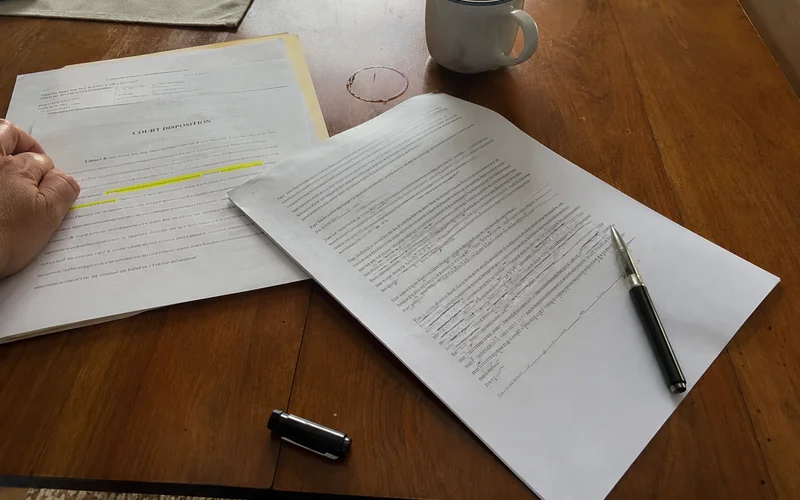
Property managers need hard evidence to override the system. We advise attaching a one-page factual letter directly to the front of your application package.
Placing the official dismissal order right behind this letter converts an ambiguous system flag into a documented, resolved event. This letter must state the following details:
- The dates: List the exact day the case started and ended.
- The disposition: Clearly state that the judge dismissed the matter.
- The resolution: Outline exactly what has changed since the filing occurred.
We strongly suggest avoiding any arguments or blame directed at the former landlord. The resource on How to write an eviction letter of explanation covers the exact format and what details to leave out.
The balance sits underneath all three
We find that applicants misunderstand the role of outstanding debt more than any other factor. Disposition and financial balance represent two entirely separate facts on a screening report.
A dismissal with $2,000 still owed to a collection agency creates a weaker application than an older judgment with a zero balance. We consider unresolved money to be an active, ongoing risk for any new landlord.
Clear the debt before you apply
Resolving outstanding balances and obtaining a paid-in-full letter boosts your approval odds significantly more than the court outcome itself.
The age of the filing works alongside both of these factors. The timeline dictates how long a record haunts your credit profile.
Under the federal Fair Credit Reporting Act, an agreed judgment eviction texas or standard eviction filing can remain on a tenant screening record for a maximum of seven years. The guide detailing How long an eviction stays on your record in Texas explains why the physical court record remains permanent while the bureau reporting eventually expires.
We use these exact rules to determine your approval odds based on three critical data points. You must confirm the following details to build a realistic housing strategy:
- Exact disposition: Confirm whether the court logged a dismissal, an agreement, or a judgment.
- Current balance status: Verify that you hold a zero balance or a paid-in-full letter.
- Original filing date: Calculate the exact age of the filing to check against the seven-year reporting limit.
Gather these three documents today to take control of your housing search and secure your next approval.