There is a window in this market that opens and closes on its own schedule, and almost nobody with a record on their file knows to watch for it.
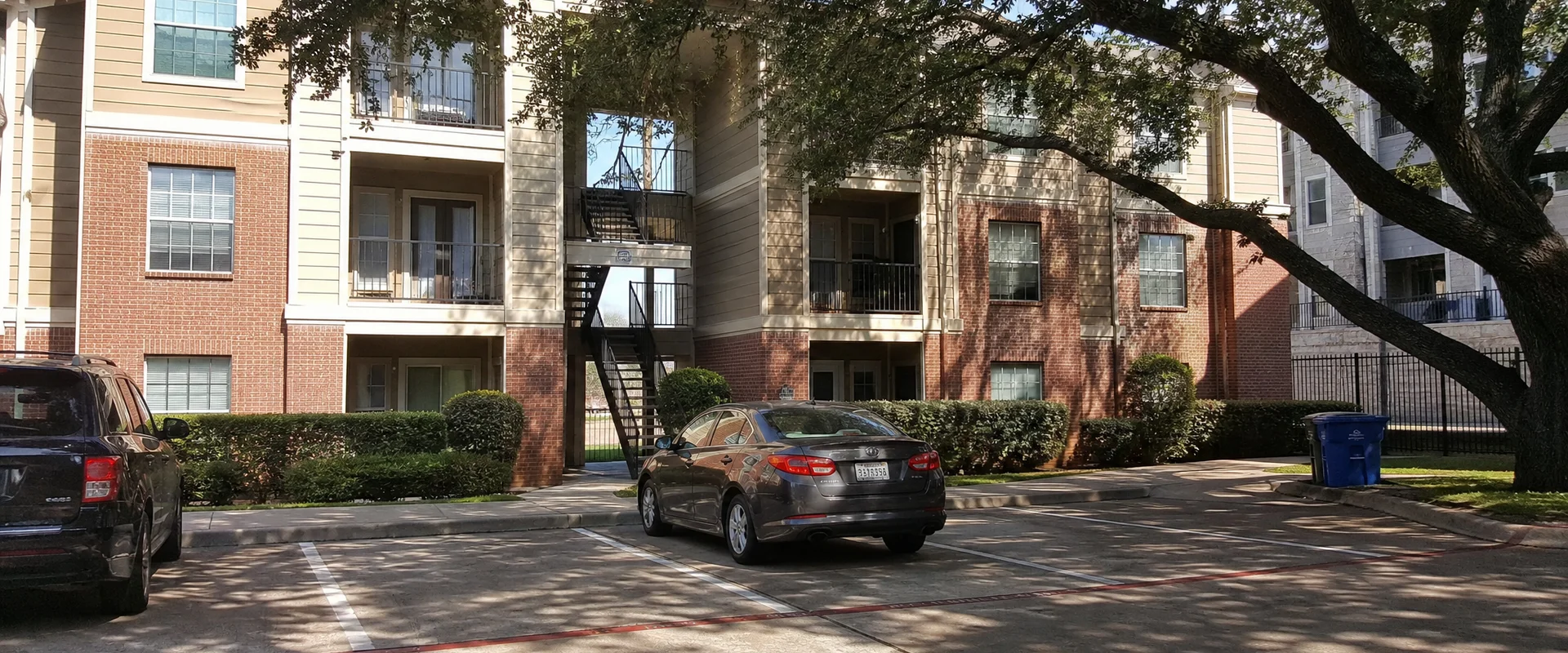
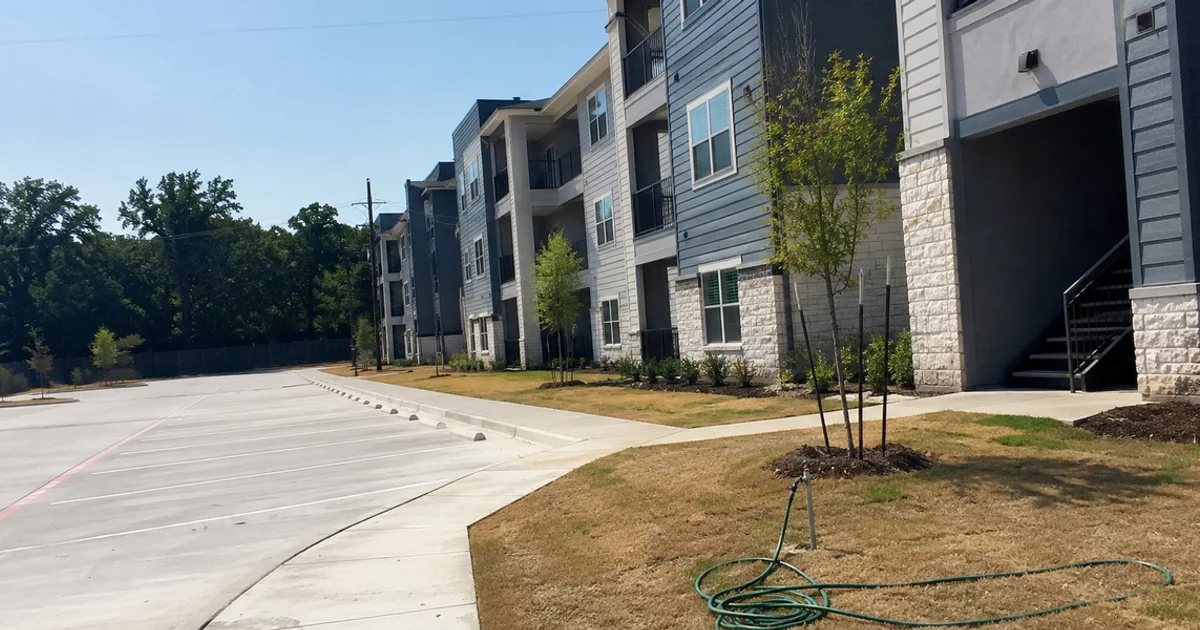
New apartment properties fill their first residents during a period called lease-up. During it, criteria are typically at the softest end of the operator’s range and concessions run heavy. Once the property stabilises, both tighten. The building does not change. The screening posture does.
DFW is in the middle of a heavy delivery cycle right now, including the $1.7 billion Westside Village adding 1,785 units in phases from 2026. That means more windows opening across the metro this fall than in a normal year, and it is worth planning a search around.
Why a new building is often the easier approval
This is counterintuitive enough that renters argue with us about it, so here is the mechanism.
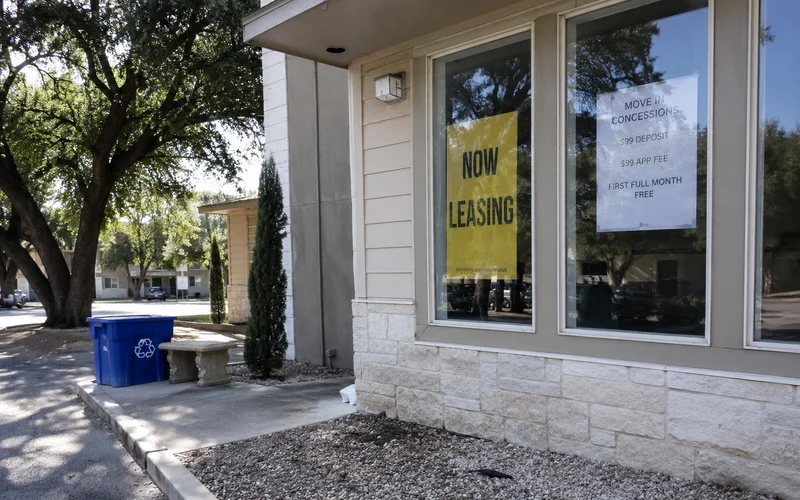
A property that has just delivered has hundreds of empty units and a lender expecting absorption on a schedule. Every part of the leasing posture reflects that pressure. Criteria get set at the softer end of what the operator permits. Concessions appear: six weeks free, waived admin fees, reduced or waived deposits. Where exception authority exists, it is at its most generous.
Twelve to eighteen months later the building is 94% occupied, the pressure is gone, and the same application gets a different answer.
The part worth repeating
Approval depends on a community’s criteria and which third-party programs it accepts — not the age, finish, or price of the building. A record does not send you to older inventory. Assuming it does is what sends you there.
The Fort Worth numbers behind it
Fort Worth apartments average $1,438, up 0.14% year over year: studios $1,075, 1BR $1,259, 2BR $1,590, 3BR $2,011. North Fort Worth 3BRs run around $2,071. Occupancy across the market sits at 93 to 95%, and roughly 43% of Fort Worth households rent — about 144,570 units.
A market at 93 to 95% occupancy is tight enough that stabilised properties have no reason to soften anything. Which is precisely why the new deliveries matter. They are the part of the market with an incentive to say yes.
Stacking a concession against a guarantee
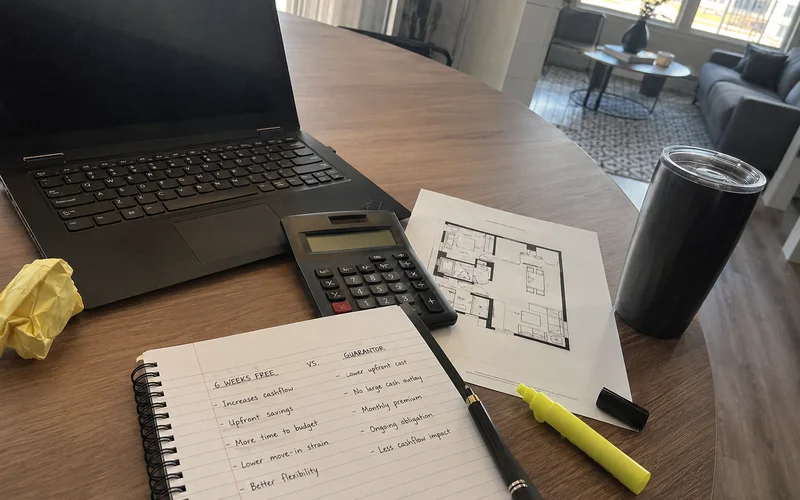
Here is where the timing turns into money. Most renters working around a credit or eviction issue at a Class A property will use a third-party lease guarantee, which typically costs about one month’s rent as a one-time premium. On a $1,900 unit, that is roughly $1,900.
Six weeks free on that same unit is about $2,600 of value.
| Line item | $1,900 Class A unit | Notes |
|---|---|---|
| Guarantee premium | ≈ $1,900 one time | Usually a percentage of annual rent |
| Six weeks free concession | ≈ −$2,600 value | Spread across the term, or taken up front |
| Deposit during lease-up | $0 – $500 | Often reduced or waived while filling |
| Admin fee | Frequently waived | A lease-up incentive |
| Net effective rent | ≈ $1,680 | The honest number for comparison |
During a lease-up the concession can absorb the entire premium and then some. At a stabilised property it will not, and the same guarantee costs you real money out of pocket. Same tool, same rent, completely different arithmetic — decided by when you applied.
The catch nobody mentions at signing
Concessions expire. Your rent goes to the face rate at renewal, and on that $1,900 unit that is a $220 monthly jump from a net effective $1,680. Budget for it from the day you sign, not from the month you get the renewal letter.
The second catch is that lease-up criteria are a snapshot, not a policy. A property that took a three-year-old filing in September may not in February. This is exactly why every criteria answer we give carries the date it was confirmed and gets re-verified quarterly. A stale answer about a lease-up is worse than no answer, because it sounds specific.
What to do this fall
If your move is flexible within a few months, timing it against an open lease-up window is one of the few genuinely free advantages available to a renter with a record. If it is not flexible, the window still matters — it just means we check which properties are currently in lease-up before building your list rather than treating all Class A inventory as equivalent.
Either way the sequence is the same: confirm which properties are in lease-up now, confirm what criteria and programs each accepts today, price the concession against the premium on the specific unit, and move before the window closes. That sequence is what second chance apartment locating in Fort Worth is for, and it costs you nothing — the community pays the referral fee at lease signing.
That is the whole approach behind our Class A and luxury placement work. If you want the mechanics in more depth, our guide on why lease-ups and Class A have the softest criteria goes deeper, and how third-party guarantor programs work covers the program side.
None of this is a promise of approval. The community still decides, and a program does not change that.
Want to know which windows are open right now? — Start your search and tell us your timeline.