Texas SB 38 took effect on January 1, 2026. It amended Chapter 24 of the Texas Property Code and prompted a rewrite of Rule 510 of the Texas Rules of Civil Procedure, which is the rule that governs how eviction suits actually run.
Six months in, renters are calling us with a version of the same question: does this change anything for me? The honest answer is that it changes the shape of the timeline more than it changes the outcome, and the parts that matter most to a renter looking for a new place are the deadlines.
We are licensed real estate agents, not attorneys, and nothing here is legal advice. If you have a filing against you, contact Legal Aid of NorthWest Texas or an attorney. What follows is what we have seen affect the housing search.
What actually changed
The headline items, as they apply to renters:
A notice to vacate for nonpayment generally now requires delinquency across two consecutive months, with a pay-or-vacate notice first where the delinquency is current-month-only. That is a meaningful change from the prior practice at some properties.
Electronic notice is allowed where the lease provides for it. If your lease has an electronic notice clause, the email or portal message counts. Renters who only check physical mail have been caught out by this.
Hearings cover possession only. The justice court is deciding who gets the unit, not adjudicating every dispute between you and the landlord.
Summary disposition applies where the facts are undisputed, which can compress the timeline further.
The clock itself is the part worth memorising: trial is set 10 to 21 days after filing, you have four days to respond, and five days to appeal.
The number that matters most
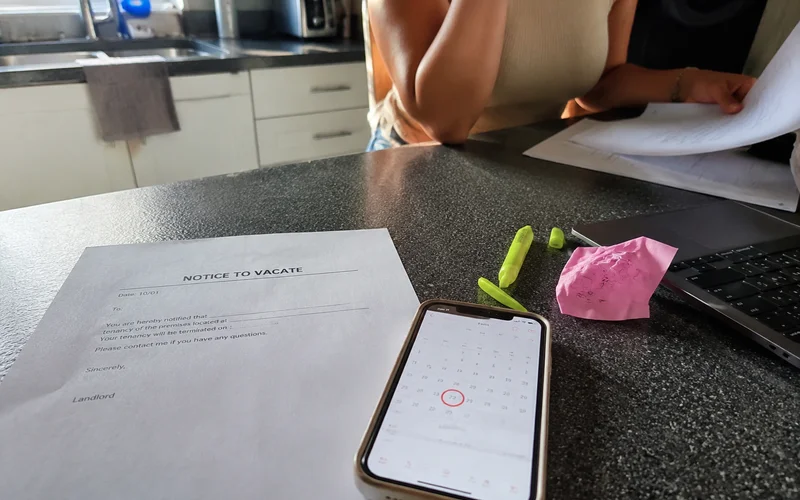
Ten to twenty-one days from filing to trial. If you are searching for a new place while a case is pending, that window is your entire runway — and it is shorter than most rental searches take.
What it looks like in Tarrant County
Evictions are filed in the justice of the peace precinct where the property sits, and Tarrant County has eight of them. That has not changed, but it matters more now that timelines are tighter, because precincts do not all move at the same pace and your date depends on where the property is.
What we have observed since January, on the housing side rather than the legal side:
Renters are arriving with less time. Six months ago a typical urgent call came in with three weeks of runway. This year it is more often ten days. The compressed timeline means document preparation has to happen on day one rather than day three.
The electronic notice provision catches people. Several renters have told us they learned about a filing later than they should have because the notice went to an email address they did not monitor. If your lease permits electronic notice, that inbox is now part of your housing paperwork.
The two-month nonpayment threshold is being asked about. Whether it applies to a specific situation is a legal question, and we send those to Legal Aid. But it has changed the conversation renters are having with their current landlord, and some of those conversations have ended without a filing at all.
What has not changed at all
Two things, and they are the two that drive the housing outcome.
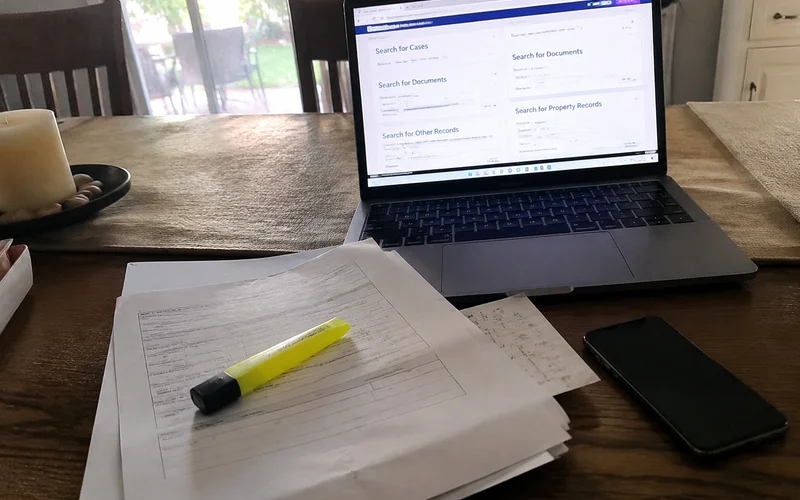
Texas eviction filings are still public from the day they are filed and they still never expire. SB 38 did not touch that. A filing appears in a Tarrant County records search whether it ends in a dismissal, an agreement, or a judgment. This is why a dismissed case still shows up in screening files years later, and why documenting the disposition matters more than hoping it goes away.
Screening criteria are still set by each property. Lookback windows, balance policies, and background rules are private business decisions and no legislative change touched them. A community that counted an eviction filing for five years in December counts it for five years now.
| Timeline element | Under SB 38 | What it means for your search |
|---|---|---|
| Filing to trial | 10 – 21 days | Your entire practical search runway |
| Time to respond | 4 days | Handle it before you start touring |
| Time to appeal | 5 days | Ask an attorney, not a locator |
| Filing on public record | Permanent | Document the disposition either way |
What to do with ten days
If you are inside that window, sequencing beats effort. Get the document packet together first — ID, income proof, prior addresses, and the court paperwork itself. Then search only inventory that is genuinely made-ready, because a unit available in three weeks is not a real option. Then apply only where the criteria have already been checked against your file, because each denial costs two to three days on top of the fee. Running that check is exactly what second chance apartment locating in Fort Worth does, and under a compressed timeline it is the step that buys back the most days.
That is the whole method behind our immediate move-in placement, and the compressed SB 38 timeline is exactly the situation it was built for. Placement before a writ issues is the goal. It is not a promise, and the property still decides.
If you want the durable explainer rather than the news version, our guide to what SB 38 changed for Texas renters covers the mechanics in more depth, and how long an eviction stays on your record in Texas covers what happens to your search afterwards.
On a deadline right now? — Start your search and put the date in the first line.