
Two ways to solve the same afternoon
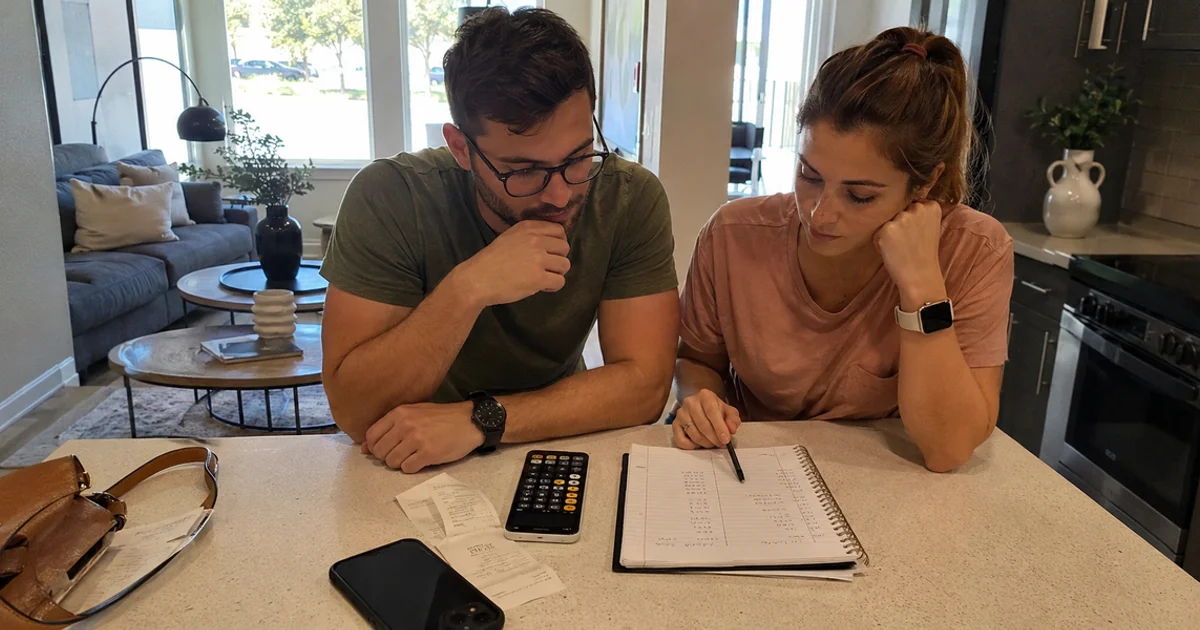
We see the same hurdle trip up smart renters and business owners securing local housing every day in the Texas market. A renter with no credit file usually ends up choosing between two paths, and they are frequently presented as if they were the exact same thing.
That confusion drastically increases the no credit check apartment deposit cost fort worth area renters face.
Our team categorizes these options into finding a community explicitly advertising no credit check, or applying normally with a deposit alternative. The deciding factor between the two is always the available cash at signing.
The math behind that upfront cash is exactly what runs through all no credit check apartment searches.
Why no-credit-check deposits run high
Our clients often ask why properties with no credit score requirement price their units so aggressively. The deposit simply acts as a buffer against an unknown financial risk. Because the Texas Property Code does not enforce a statewide limit on security deposit amounts, landlords can set that buffer as high as they want.
We typically see landlords charge one to two months of rent to mitigate that lack of information. Based on July 2026 data from RentCafe, the average apartment rent in Fort Worth sits around $1,456. A standard double deposit on that average unit could easily pull $2,912 out of your pocket before you even move in.
For a renter with no credit, finding this upfront money is frequently the hardest part of the move. It is technically refundable less deductions, but it is also cash you absolutely cannot use. This massive sum sits in an escrow account instead of helping you settle into your new home.
Refundable is not the same as available
We always remind our renters that refundable is not the same as available. A $2,518 deposit comes back at move-out. It does not help you buy a bed, cover a truck rental, or absorb a gap in pay. Our financial advice is to treat cash at signing and total cost over the lease as two totally different questions. Both of those questions deserve a clear, verifiable answer.
The original example of a $1,259 one-bedroom perfectly illustrates this gap.
The two routes on a $1,259 one-bedroom
We laid out the math below so you can see exactly where your money goes. The table compares a traditional no-credit-check property against a standard property utilizing a deposit alternative. The no credit check apartment deposit amount is clearly the biggest variable.
| Line item | No-credit-check property | Standard property + deposit alternative |
|---|---|---|
| Application fee | $60 | $60 |
| Administrative fee | $150 | $150 |
| Security deposit | $1,259 to $2,518 | $0 |
| Deposit alternative premium | None | ≈ $130 to $380 one time |
| First month’s rent | $1,259 | $1,259 |
| Cash at signing | ≈ $2,728 to $3,987 | ≈ $1,599 to $1,849 |
| Refundable portion | The deposit, less deductions | None |
Our preferred deposit alternative partners typically use a billing authorization model similar to a hotel credit card swipe. Companies like Obligo charge a small monthly fee or a one-time premium of roughly $130 to $380, depending on the property. The obligo deposit alternative cost replaces the need to lock up thousands of dollars in a landlord’s bank account.
We see the gap at signing land somewhere between roughly $900 and $2,100 depending on the specific deposit. Over a full lease the comparison narrows, because the standard deposit largely comes back to you. That refund only happens if you actually have the cash to give them in the first place.
Which route opens more of Fort Worth
Relying on alternative tools opens up vastly more housing options. Deposit alternatives like Jetty, LeaseLock, Obligo, and Qira are accepted across a broad range of communities. This includes mid-tier and Class A product throughout Tarrant County.
We verify this acceptance at the management-company level, as policies frequently change. Genuinely no-credit-check inventory is far narrower and artificially limits where you can live. It certainly exists, and for some renters, it remains the right answer.
Our most practical approach is to search normally and evidence your file with solid income and banking history. You can then use a deposit alternative where the property asks for more cash than you can comfortably put down. That strategy reaches high-quality units a basic label-based search never sees.
We recommend verifying three specific details with the leasing office before applying to any property.
- First, you should ask if they accept billing authorization services like Obligo.
- Second, you must verify if the alternative premium is a one-time fee or a recurring monthly charge.
- Our team also suggests asking if the management company caps their extra risk fees at a half-month of rent.
- Knowing how much deposit with no credit is required helps you calculate the true annual cost.
- These questions give you a complete picture of your financial commitment.
What neither route does
We want to be completely clear that neither of these routes changes a core approval decision. A deposit alternative addresses the cash a property asks for after they decide to approve you. If a property declines you outright, the tool that applies is a lease guarantee.
Lease guarantee companies like TheGuarantors or Rhino actually change the qualification criteria rather than just the deposit. These services act as your financial co-signer, often charging a premium between 40 to 100 percent of one month’s rent. That fee is non-refundable, but it can turn a strict denial into an approval.
We emphasize that knowing which situation you are in is the entire game.
- Being approved with a big deposit is simply a cash problem.
- Being declined is a fundamental qualification problem.
- Our final warning is that spending money on the wrong tool solves neither problem.
- You must match the solution to the specific hurdle your application is facing.
- A deposit alternative will not save a declined application.
And the fee that does not exist
We want to assure you that none of the cost figures above belong to us. The locating service provided by our experts is completely free to renters. The apartment community pays a standard referral fee at lease signing, and your rent is not increased to cover it.
Our recommendations always carry their own version of that cost table with real figures for the specific unit. You can run an estimate yourself first with our renter tools. The guide on the Total cost to move in with a second chance approval covers the full line-item picture, including risk fees and guarantee premiums.
We note that the ranges here are typical for Tarrant County and vary by property, unit, and season. The community always retains the final decision on your approval either way. You can use these insights to evaluate the market and keep your upfront costs as low as possible.
We encourage you to start comparing options today by utilizing our free search tools. Every single dollar saved at signing is a dollar you can use to furnish your new apartment or invest back into your business. Reach out to a locating expert if you need help decoding a specific property’s fee structure.