
The fear of disclosing a broken lease on an apartment application, and why it is misplaced
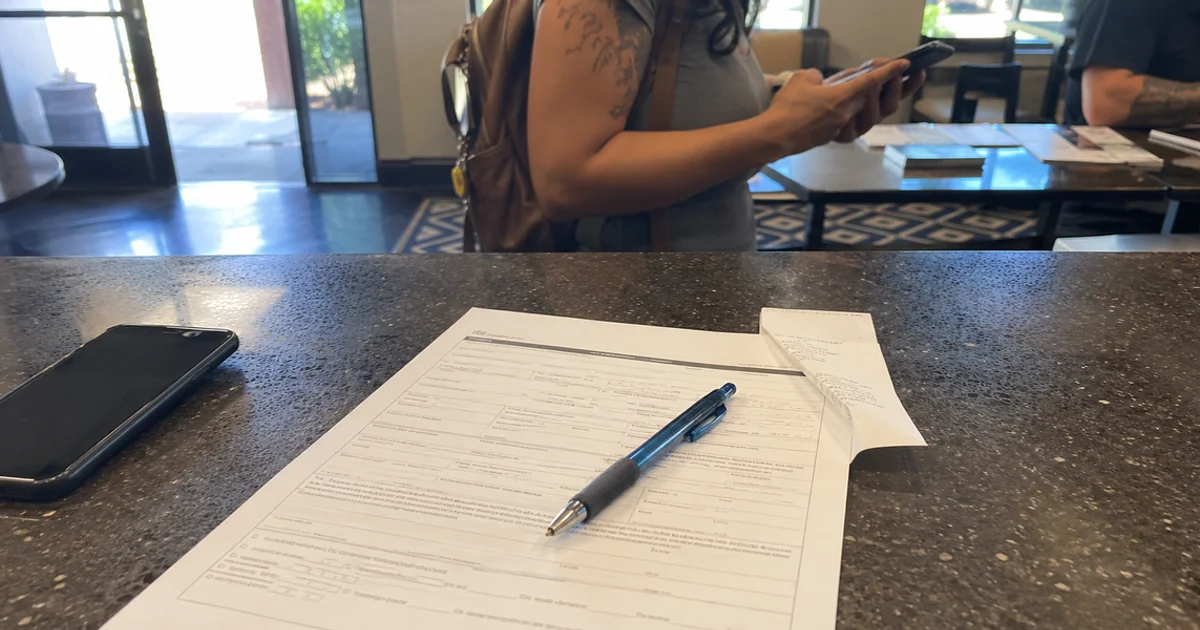
We see many applicants hesitate about disclosing a broken lease on an apartment application out of fear. The instinct to hide this history makes sense on the surface.
Hiding it is mathematically the wrong move in 2026.
Our team reviews hundreds of files, and apartment application honesty broken lease policies truly remain the best approach. Rental verification systems like RealPage automatically flag address gaps. The real choice is between proactive disclosure with documentation or a sudden discovery that ruins your credibility.
We know that this criteria-first broken lease placement strategy stops you from begging for leniency. A 2026 industry review found that paid broken leases get conditionally approved at roughly twice the rate of unpaid ones. Proactive applicants secure better terms by matching the property’s requirements upfront.

What actually happens, step by step
- Our property management software processes these submitted files in a highly predictable sequence. You submit the application with your prior address listed clearly. A one-page explanation letter and supporting documents must be attached right behind it.
- We recommend following a specific format for this, which you can find in Writing a letter of explanation. Next, the initial screening runs. Tools like National Tenant Network (NTN) DecisionPoint check your credit, background, and income within hours.
- Our leasing agents then manually initiate the rental verification step. This manual contact with your prior landlords is typically the slowest part. A proactive disclosure does its quiet work here, as the manager already knows exactly what the reference will say.
- We usually issue a decision within 1 to 3 business days for complete files. A completely clean file can even clear in 24 hours. Delays happen mostly because of that manual verification step.
Silence is not neutral
Our leasing office looks at a hidden broken lease as two separate data points. The first issue is the break itself. The second issue is the omission, which answers the question of should I tell landlord about broken lease issues with a resounding yes.
What conditional approval looks like
We see a conditional approval apartment broken lease offer as the most common outcome for an honest application. This status means the property wants your business but requires extra financial protection. Landlords in the US use specific conditions to offset the risk of a past break.
These conditions are more negotiable than most renters realize. Standard conditions include an increased security deposit, which is often doubled but refundable. A monthly risk fee is another popular condition, usually costing around $25 to $75 per month.
We suggest running the math on these fees, because the annual total can easily exceed a standard deposit. A shorter initial term of six or nine months might also be offered instead of twelve. The landlord might also demand a third-party guarantor before signing.
| Condition | What it means in 2026 | What to check |
|---|---|---|
| Increased deposit | Often doubled; heavily used to offset risk | Whether a deposit alternative is accepted instead |
| Monthly risk fee | Non-refundable fee of $25 to $75 a month | The annual total, as it can exceed a flat deposit |
| Shorter initial term | Six or nine months rather than twelve | What the renewal rate will be after the short term ends |
| Required guarantor | Third-party guarantee before signing | 2026 programs like PandaGuarantee cost 40% to 110% of rent |
Our favorite negotiation tactic involves asking to swap a $75 monthly risk fee for a deposit alternative like Rhino. This simple question can save you hundreds of dollars over the lifespan of a lease. Landlords care about risk coverage, not necessarily the specific method of coverage.
What slows a decision down
We frequently encounter delays that push decisions past the standard three-day window. Certain missing elements can stall your file for a week or more. A few common bottlenecks consistently cause the biggest issues.
- Our screening process stops instantly when a prior landlord ignores phone calls for rental verification. Providing a working direct number for them prevents days of waiting. The manager needs that contact to move forward.
- We also see major delays during income validation. Business owners and self-employed applicants face extra scrutiny here. Having twelve months of bank statements ready removes most of this friction.
- Our team notices frequent hold-ups with third-party guarantee processing. Services like TheGuarantors might approve you in 10 seconds, but the property’s underwriting runs sequentially after that. Getting approved by the guarantor program first skips that bottleneck.
- We issue a final warning regarding anything incomplete in your submission file. A leasing office waiting on one missing pay stub loses a full day. A lost day on a strict deadline becomes an expensive mistake.
If it comes back declined
Our experts always advise applicants to request a formal adverse action notice following a denial. The Fair Credit Reporting Act (FCRA) legally requires landlords to provide this document under 15 USC 1681m. This notice identifies the reporting agency used and indicates the specific factor category that triggered the rejection.
We see applicants waste hundreds of dollars by immediately reapplying somewhere similar. Submitting another application against identical criteria with the exact same file guarantees a second denial. The comprehensive guide What to do after a denial covers how to use the notice to aim your next shot properly.
Handling the FCRA Dispute Process
Our recommendation is to review the screening report for errors, as you have 60 days to request a free copy. The credit reporting agency then has 30 days to investigate any disputes you file.
A 2025 consumer survey found that nearly one in five tenant screening reports contained outdated debt information.
We must point out that honesty about a broken lease does not magically erase the past. The property makes the final decision on whether to accept the risk. Disclosure simply ensures the decision relies on your documented facts, rather than a shocking revelation during a phone call.
Our final piece of advice is to gather your documents today and approach your next application with confidence. Being prepared is the smartest way to secure a great lease.
Take control of your rental history and start your next application on the right foot.